The Role of Oil Viscosity and Additives in Engine Efficiency
When it comes to maintaining your vehicle, understanding the impact of different oil types is crucial. The right choice can significantly affect how efficiently your engine runs. Each type of oil has unique characteristics that influence lubrication, temperature management, and overall performance. This article delves into these aspects, helping you make an informed decision about which oil is best for your vehicle.
Understanding Oil Viscosity
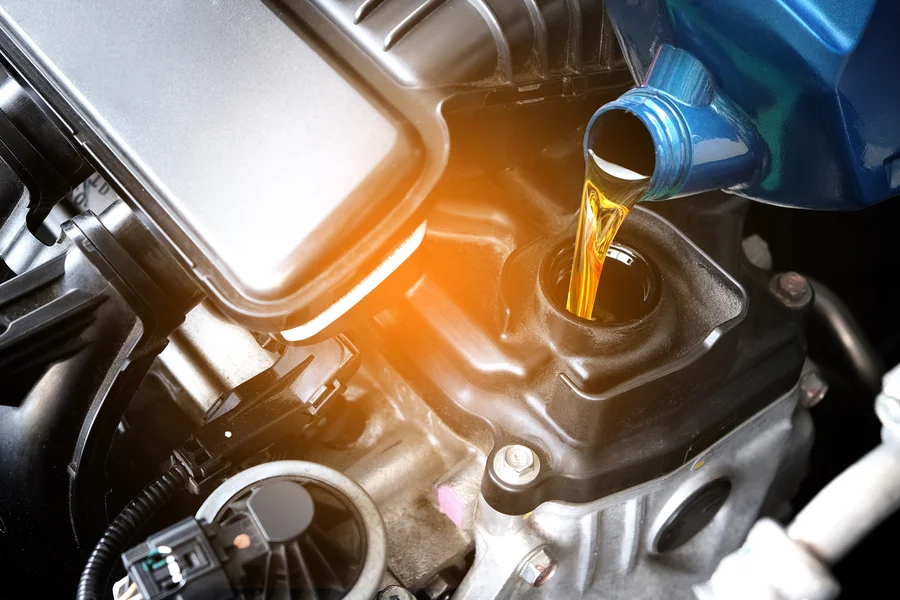
Oil viscosity refers to the thickness of the oil and its ability to flow at certain temperatures. High viscosity oils are thicker and move slowly, providing a strong film between moving parts. In contrast, low viscosity oils are thinner and flow more easily. Your choice of oil viscosity directly affects engine efficiency, fuel consumption, and wear protection. Using the wrong viscosity could lead to inadequate lubrication or increased friction, impacting performance negatively.
The Importance of Synthetic Oils
Synthetic oils have become popular due to their enhanced performance features. They offer better stability at high temperatures and provide excellent protection against engine deposits. An oil change using synthetic oil can extend engine life by reducing wear and tear. These oils also help improve fuel economy, making them a preferred choice for modern engines that operate under demanding conditions.
Role of Conventional Oils
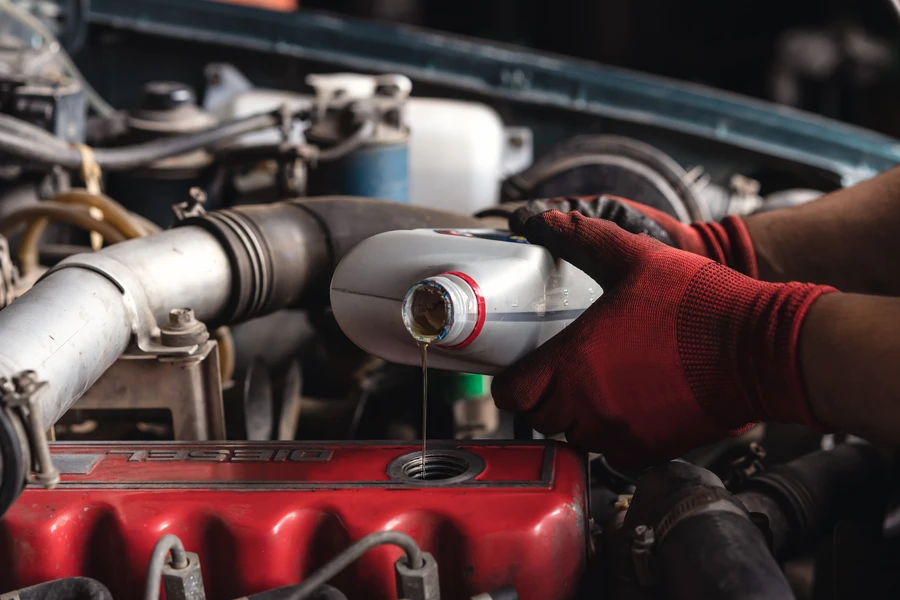
Conventional oils are derived from crude oil and are suitable for older vehicle models. They often cost less than synthetic options but require more frequent changes to maintain performance. During an oil change, choosing conventional oil might be economical for budget-conscious vehicle owners. However, they may not perform as well under extreme temperature variations or prolonged driving conditions compared to synthetic counterparts.
Benefits of High-Mileage Oils
High-mileage oils are specifically formulated for vehicles with over 75,000 miles on the odometer. These oils contain additives that prevent leaks, reduce oil consumption, and minimize smoke emissions. By switching to a high-mileage oil, drivers can enhance their engine’s longevity and efficiency. It’s essential to ensure these specialized oils suit your vehicle’s requirements for optimal results.
Common Challenges With Oil Selection
Choosing the right oil for your vehicle can be overwhelming given the variety available. Common challenges include deciphering labels, understanding manufacturer recommendations, and balancing cost versus benefit. Missteps in selection might lead to reduced engine efficiency and increased maintenance costs. Being aware of these challenges helps you avoid pitfalls and ensures that your vehicle remains in top condition.
Best Practices for Effective Oil Management
- Consult your vehicle’s manual for oil specifications.
- Select oils meeting industry standards like API or ACEA ratings.
- Perform regular checks on oil levels and quality.
- Avoid mixing different types of oil unless recommended.
Cost Considerations When Selecting Oils
While synthetic oils generally cost more upfront compared to conventional ones, they offer long-term savings through extended service intervals and better engine protection. Considering factors like climate, driving habits, and vehicle age will help determine if the initial investment in premium oils yields worthwhile benefits. Evaluating these aspects ensures an effective balance between expense and performance.
Your Journey to Enhanced Vehicle Performance Starts Here
By understanding how different oil types affect vehicle performance, you empower yourself to make choices that boost engine efficiency. Partner with Big J's Auto Mobile Repair for expert guidance tailored to your needs. Call us at (336) 689-1359 for personalized assistance. Located in Whitsett, NC, our team is committed to enhancing your driving experience.